


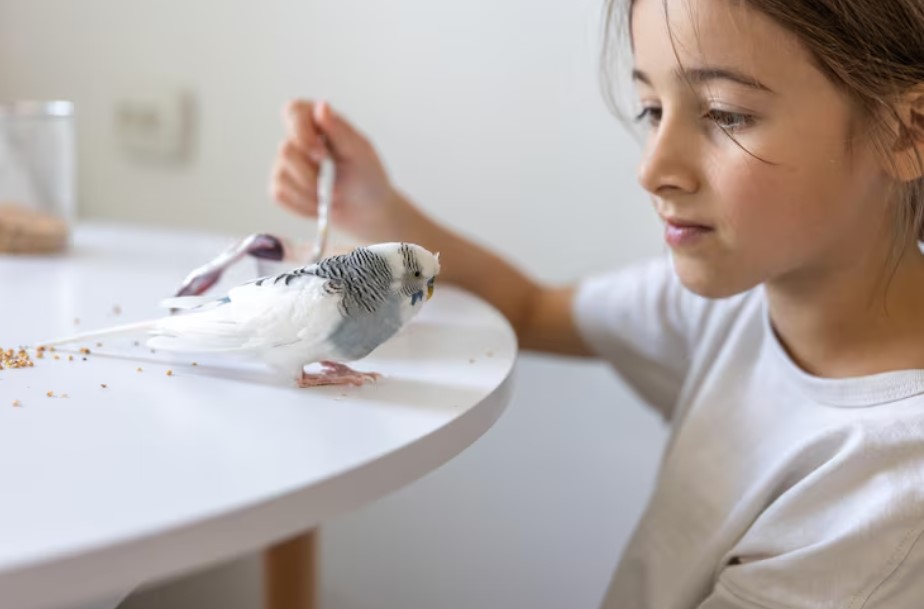
Keeping a bird’s living space clean is an important part of responsible pet care. A fresh and comfortable cage environment helps support better hygiene, reduces mess, and creates a safer place for birds to eat, play, and rest.
Many bird owners focus on food, toys, and cages but forget the importance of choosing the right bedding material. Quality bird litter plays an important role in managing cage waste, controlling odors, and making daily cleaning easier.
Choosing the right bird litter for cage use depends on your bird’s species, cage design, and cleaning routine. The right product should provide comfort while helping maintain a clean and healthy habitat.
Why Bird Litter Matters for Daily Bird Care
Birds spend a large part of their day inside their cages. Food particles, feathers, and droppings naturally collect at the bottom of the cage. Without proper cage bedding, cleaning becomes more difficult and waste can build up quickly.
Using suitable bird cage litter creates a protective layer at the bottom of the cage tray. It helps collect waste and allows owners to remove mess easily during regular cleaning.
A clean cage environment can also improve your bird’s comfort. Birds are sensitive animals, and poor cage hygiene may create an unpleasant living space.
Good bird care includes:
-
Fresh food and water
-
Regular cage cleaning
-
Safe toys and perches
-
Comfortable bedding material
-
Proper ventilation
Bird litter is one small but important part of maintaining a healthy routine.
How Bird Litter Supports a Cleaner Bird Habitat
The main purpose of bird litter is to make cage maintenance easier. A good litter material absorbs moisture, collects waste, and helps keep the cage tray cleaner.
Without bedding, droppings and spilled water can stick to the cage bottom, making cleaning more time-consuming. Litter creates a removable layer that can be changed regularly.
Some benefits of using bird litter include:
Easier Cleaning
Instead of washing the entire cage tray every day, owners can remove the used litter and replace it with fresh material.
Better Odor Management
Bird waste can create unpleasant smells if it remains in the cage too long. Quality litter helps manage moisture and reduces odor buildup when replaced regularly.
Improved Cage Appearance
Clean bedding keeps the cage area looking fresh and organized. It also makes it easier to monitor your bird’s droppings and notice possible health changes.
Choosing the Right Bird Litter for Cage Setup
Not every bedding material is suitable for every bird. When selecting bird litter for cage, consider safety, absorbency, and ease of cleaning.
A good bird litter should be:
-
Dust-free or low-dust
-
Non-toxic
-
Easy to replace
-
Comfortable for your bird
-
Suitable for your cage tray
Birds often explore their environment with their beaks, so avoid products containing harmful chemicals, artificial fragrances, or unsafe materials.
The size of the cage also matters. Larger cages may require more litter, while smaller cages may need frequent replacement because waste builds up faster.
Types of Bird Litter and Bedding Options
Different types of litter materials are available for bird cages. Each option has different benefits.
Paper-Based Bird Litter
Paper litter is a popular choice because it is easy to use and replace. It allows owners to quickly check droppings and monitor changes in their bird’s health.
Recycled Paper Bedding
Recycled paper options are lightweight and often provide good absorption. They can be a convenient choice for many bird owners.
Natural Bedding Materials
Some bird owners prefer natural materials designed specifically for bird habitats. These options should always be checked for safety before use.
Sand-Based Products
Some products contain sand or mineral materials. These should only be used if they are specifically designed for birds and recommended for your bird’s needs.
Avoid using random materials such as cat litter, scented bedding, or household products that may release harmful dust or chemicals.
Benefits of Using Bird Litter for Cage Maintenance
Regular use of proper bird cage litter can improve your daily cleaning routine.
It helps:
Reduce Mess Around the Cage
Birds naturally throw food, feathers, and waste around their cage area. Litter helps collect this debris and keeps the surrounding space cleaner.
Save Cleaning Time
A removable litter layer makes routine maintenance faster. Owners can replace dirty bedding without deep cleaning the entire cage every time.
Create a More Comfortable Environment
A clean cage bottom provides a fresher environment where birds can move comfortably.
Support Better Observation
Fresh litter makes it easier to notice changes in droppings, which can provide important information about your bird’s health.
How to Use and Replace Bird Cage Litter Properly
Replacing litter regularly is important for maintaining good hygiene.
Follow these steps:
-
Remove old litter carefully.
-
Check the cage tray for stuck waste.
-
Clean the tray with bird-safe cleaning methods.
-
Add fresh litter evenly.
-
Return cage accessories after cleaning.
The replacement schedule depends on cage size, bird species, and the amount of waste produced. Some cages may need daily spot cleaning, while others may require full litter replacement more frequently.
Always wash your hands after cleaning a bird cage.
Common Bird Litter Mistakes to Avoid
Many bird owners make mistakes when choosing or using bedding.
Avoid:
-
Using scented litter
-
Choosing dusty materials
-
Leaving dirty litter for long periods
-
Using products made for other animals
-
Ignoring cage tray cleaning
A product that looks convenient may not always be safe for birds. Always select litter designed specifically for bird habitats.
Tips for Maintaining a Healthy Bird Cage Environment
Bird litter works best when combined with proper cage care.
Keep food and water bowls clean. Remove leftover fresh foods before they spoil. Wash perches and accessories regularly.
Place the cage in a suitable location with good airflow. Avoid areas with smoke, strong chemicals, or extreme temperature changes.
Observe your bird’s behavior and cleanliness habits. A healthy bird usually shows active behavior, good appetite, and normal grooming.
Choose the Right Bird Litter for Better Bird Care
A clean cage creates a more comfortable and healthier environment for your feathered companion. Choosing the right bird litter for cage use makes daily cleaning easier while supporting better hygiene.
Select a safe, low-dust, bird-friendly option that fits your cage setup and cleaning routine. With the right bird cage litter, regular maintenance becomes simpler, and your bird can enjoy a cleaner space every day.
Frequently Asked Questions
1. What is bird litter used for?
Bird litter is used at the bottom of a cage tray to collect droppings, spilled food, and moisture. It helps make cage cleaning easier and keeps the habitat cleaner.
2. What is the best bird litter for cage use?
The best bird litter for cage use should be safe, low-dust, absorbent, and designed specifically for birds. Paper-based and bird-safe bedding options are commonly used.
3. How often should bird cage litter be changed?
The replacement schedule depends on the bird size, cage size, and amount of waste. Many cages benefit from regular spot cleaning and frequent litter replacement.
4. Can I use cat litter for my bird cage?
No. Cat litter is not designed for birds and may contain ingredients, fragrances, or dust that can be unsafe.
5. Does bird litter help control cage odor?
Yes. Quality bird cage litter helps absorb moisture and manage waste, which can reduce unpleasant odors when combined with regular cage cleaning.