


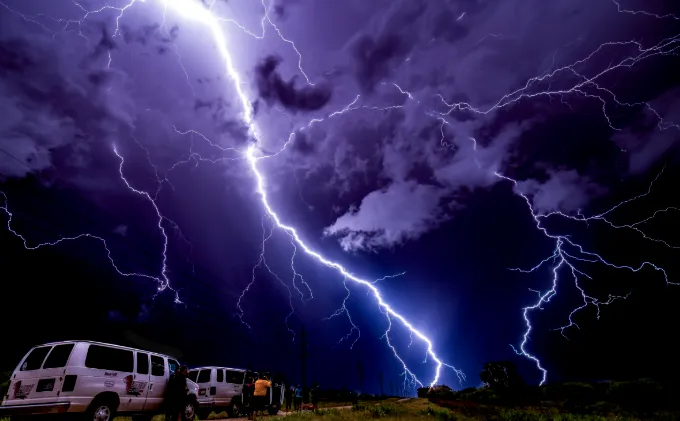
Severe weather can change fast across the Great Plains. Wichita, Kansas, sits in a region where spring storms can grow strong, wide, and fast. For anyone planning a storm trip in 2027, learning the basics before heading out can make the whole day safer and more useful. Good chasing is not about rushing toward every dark cloud. It is about reading weather, choosing safe roads, watching storm signs, and knowing when to stop. A clear plan helps you enjoy the storm while giving nature the respect it deserves.
Build A Strong Weather Base
Good storm chasing starts long before a storm forms. Learn basic weather terms first. Know what a warm front, cold front, dry line, and supercell mean. Watch radar often and compare it with local weather reports. During tornado chasing 2027 Wichita Kansas trips, this knowledge can help you understand why a storm moves or changes shape. Keep a weather app, radar tool, and local alerts ready. A small notebook can help too. Write down storm times, road choices, and weather changes. Tiny details often become useful later.
Read Storm Clouds with Care
Clouds can offer useful clues, but they should never be your only source of weather data. A tall storm cloud may show strong rising air. A dark base can point to heavy rain, yet it does not mean a tornado is coming. Look for changes in cloud shape, wind, rain, and light. Storm tours should always rely on trained guides and trusted weather data. New chasers often focus on the sky and forget the road. That is risky. A safe route matters just as much as a clear view.
Know Your Route Before Departure
Road planning is a key skill for every storm trip. Kansas has open land, but roads can still become busy when severe weather is near. Check bridges, fuel stops, road closures, and safe places to park before leaving. During tornado tours 2027 Kansas, never stop on a highway, block a road, or park where emergency crews may need access. Keep your phone charged and carry a backup battery. A paper map is also smart. Cell service can drop at the wrong time. Simple planning can prevent a major problem.
Learn Safe Storm Positioning
Storm position matters more than getting close. Never chase a tornado just to take a better photo. Stay well away from the storm core and avoid flooded roads. A storm can hide hail, strong winds, lightning, and sudden changes in direction. Experienced guides know how to keep distance while still finding useful viewing spots. Follow their directions without delay. If weather turns unsafe, move away early. There is no prize for staying longer. A safe chase ends with everyone returning home, not with the closest possible view.
Use The Right Chasing Gear
Useful gear does not need to fill your car. Start with a charged phone, car charger, water, snacks, weather radio, first aid kit, and a small flashlight. Good shoes help when roadsides become muddy. A light rain jacket is useful too. For photography, keep spare batteries and enough storage space. During tornado chasing 2027 Wichita Kansas, a windshield mount can help with maps and alerts, but never handle your phone while driving. Keep your eyes on traffic. The best gear is gear that supports safety without becoming a distraction.
Respect Kansas Weather Rules
Storm chasing needs patience, skill, and respect for local rules. Never enter private land without permission. Do not drive through water, even when it looks shallow. Flood water can move a car with surprising force. Keep clear of downed wires and damaged buildings after a storm. Emergency workers may already be dealing with serious calls. A responsible chaser gives them room. Weather can also change after a tornado passes. Stay alert until local officials say conditions are safe. The storm may leave the area, but hazards can remain behind.
Conclusion
Strong storm chasing skills come from preparation, calm choices, and steady learning. Wichita can offer access to major Great Plains weather events, but every trip should put safety first. Study weather basics, plan roads, carry simple gear, and keep a safe distance from severe storms. Guided trips can also help new chasers learn from people with real field experience. For useful storm chasing information and trip ideas, Stormchasing.com can be a helpful starting point. Good chasing is not about taking the biggest risk. It is about seeing the storm clearly and getting home safely.